자유게시판
- Home
- 고객센터
- 공지사항
고객센터
Five Killer Quora Answers To Window Refurbishment
페이지 정보

본문
Understanding the Importance of Window Refurbishment
Window refurbishment is often overlooked in the discussion about home improvement and property management. Numerous house owners prioritize projects like cooking area remodels or bathroom upgrades, however overlooking windows can cause substantial energy loss, decreased visual appeals, and a decrease in residential or commercial property value. This short article delves into the significance of window refurbishment, the types of window refurbishment offered, steps associated with the refurbishment process, and common FAQs relating to window refurbishment practices.
Why Window Refurbishment Matters
Windows are not merely transparent openings in walls; they play a crucial role in preserving the structure's integrity and energy effectiveness. Here are some engaging reasons to invest in window refurbishment:
Enhances Energy Efficiency: Older windows can be a significant source of heat loss in a home. Reconditioning windows can improve insulation, reduce energy bills, and improve convenience levels.
Boosts Property Value: Well-maintained windows add to the overall visual appeal and marketability of a property. Prospective purchasers typically remember of window conditions throughout viewings.

Promotes Comfort: Drafty windows can create uncomfortable living conditions. Reconditioning windows contributes to a more stable indoor environment, making spaces more satisfying.
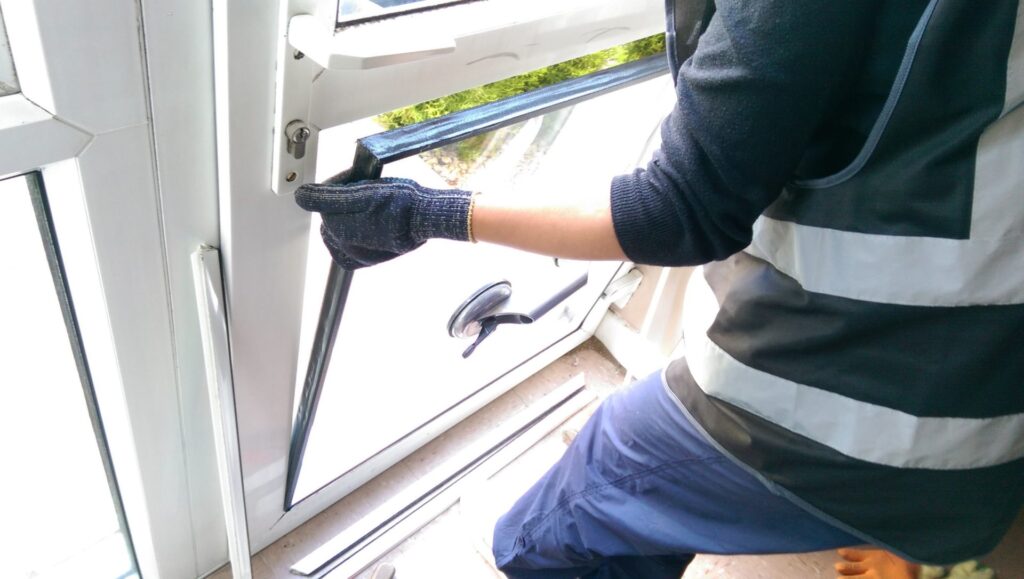
Protects Historic Features: For older homes, initial windows frequently possess historic and visual worth. Refurbishment enables House Window Repair owners to maintain these attributes while enhancing performance.
Types of Window Refurbishment
The scope of window refurbishment can differ significantly based on the type, age, and condition of the windows. The following are common types of window refurbishment:
| Type of Refurbishment | Description |
|---|---|
| Sash Window Pane Repair Restoration | Includes fixing and bring back the original system of moving windows, often found in older homes. |
| Glazing Replacement | Concentrate on replacing old or broken glass with energy-efficient glazing options. |
| Weather Stripping | Involves setting up weather removing materials to reduce air infiltration around the window frame. |
| Caulking and Sealing | Focuses on sealing spaces in between the window frame and the home's structure to avoid drafts. |
| Frame Repair and Painting | Involves fixing harmed frames, sanding, and repainting to restore a fresh look and safeguard versus future damage. |
Actions Involved in the Window Refurbishment Process
Reconditioning windows is a multi-step process that requires careful planning and execution. Here's a standard operating procedure that describes the refurbishment journey:
Assessment: Evaluate the condition of existing windows-- search for issues such as rot, gaps, broken glass, and hardware problems.
Prioritization: Decide which windows require immediate attention and plan a refurbishment schedule.
Selection of Materials: Choose quality materials based upon the kind of refurbishment required. This might consist of weather condition removing, caulk, or specialized glazing.
Dismantling: If necessary, thoroughly eliminate windows from their frames. This action is crucial for thorough cleaning and repair.
Fixing Damage: Address any structural damage to the window frames or sashes. This might involve wood replacement, sanding, and painting.
Reinstallation: Replace the reconditioned windows back into their frames, guaranteeing appropriate alignment and function.
Weatherproofing: Apply caulk and weather removing to improve energy effectiveness and protection versus the elements.
Final Inspection: Conduct a comprehensive evaluation to ensure whatever is functioning properly and fulfills quality requirements.
Advantages of Professional Window Refurbishment
While DIY window refurbishment can conserve money, working with professionals frequently yields better outcomes. Here are numerous advantages of choosing professional services:
Expertise and Experience: Professionals have actually specialized abilities and knowledge to manage numerous types of windows and prospective concerns efficiently.
Quality Materials: Professionals frequently have access to higher-quality products and products that might not be easily available to the general public.
Service warranty and Guarantees: Many specialists use warranties on their work, providing assurance and potential cost savings on future repairs.
Safety: Working with windows, specifically on upper levels, presents various threats. Experts have the required tools and training to manage these threats securely.
Frequently Asked Questions About Window Refurbishment
1. How frequently should windows be refurbished?
The frequency of window refurbishment depends upon elements such as environment, window type, and the quality of previous refurbishments. Generally, it's recommended to evaluate and service windows every 5 to 10 years.
2. Can I recondition windows myself, or should I employ a professional?
While it's possible to recondition windows yourself, working with a Professional Glass Repair makes sure much better outcomes, specifically for complicated types like sash windows. A specialist can attend to issues you might not recognize and ensure quality work.
3. What are the signs that my windows need refurbishment?
You must consider refurbishment if you observe drafts, condensation in between panes, noticeable rot or damage to the frame, or if your heating/cooling expenses have actually suddenly increased.
4. Is window refurbishment cost-efficient?
In a lot of cases, Window Refurbishment (please click the next site) is more affordable than totally replacing windows. It often renews windows while keeping historical and architectural value.
5. What materials are usually used in window refurbishment?
Common materials include weather condition removing, caulking, wood fillers, paint or stain for visual appeals, and particular glass types for glazing.
Window refurbishment plays an important function in keeping a home's energy effectiveness, aesthetics, and worth. Property owners need to not overlook this important aspect of property management. By understanding the kinds of window refurbishment and the associated benefits, property owners can make informed decisions, eventually causing a more comfortable and important living environment. Informed options can lead the way for efficient repairs, turning dated windows into practical and attractive features of the home.