자유게시판
- Home
- 고객센터
- 공지사항
고객센터
See What Self-contained Induction Hob Test Tricks The Celebs Are Using
페이지 정보

본문
Comprehensive Guide to Self-contained Induction Hob Testing
Induction hobs are the modern marvels of cooking technology, understood for their efficiency, speed, and safety. Nevertheless, similar to any other cooking area device, ensuring their functionality and security needs regular testing. This article explores the procedure of testing self-contained induction hobs, describes the advantages of such tests, and offers a comprehensive FAQ section for clearness.
What is a Self-contained Induction Hob?
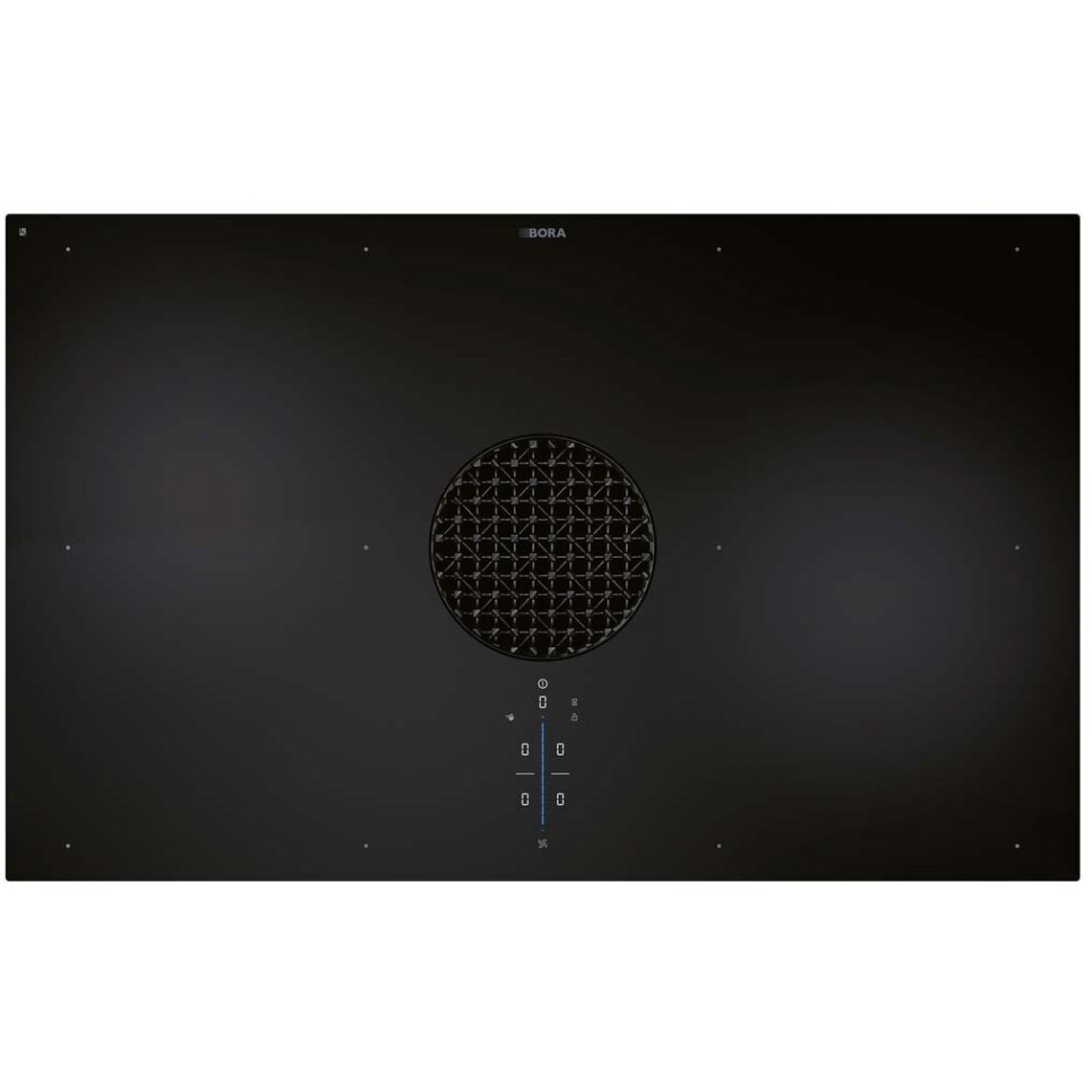
Self-Contained Induction Hob Test induction hobs are standalone units that make use of electromagnetism to directly heat up pots and pans. Unlike traditional gas or electric ranges, induction hobs supply regulated and exact heating, improving cooking performance. They usually come equipped with temperature level sensors, timers, and safety features like car shut-off.
Secret Features of Self-contained Induction Hobs:
| Feature | Description |
|---|---|
| Induction Technology | Uses magnetic fields to heat cookware directly. |
| Energy Efficiency | Warms up rapidly with less energy loss compared to gas. |
| Security Features | Car shut-off, child lock, and no open flames. |
| Temperature Control | Exact temperature regulation with digital display screens. |
| Easy to Clean | Flat surface makes cleaning up easy and efficient. |
The Importance of Testing Induction Hobs
Routine screening of induction hobs serves several purposes:
- Safety Assurance: Regular evaluations assist recognize potential threats such as overheating, malfunctioning controls, or electrical issues.
- Efficiency Evaluation: Testing makes it possible for users to determine the effectiveness and efficiency of the cooking procedure.
- Durability and Maintenance: Frequent checks can extend the lifespan of the home appliance by dealing with minor issues before they become substantial issues.
- Energy Consumption: An effectively operating induction hob takes in less energy, resulting in lower utility bills.
Advantages of Regular Testing
| Advantage | Explanation |
|---|---|
| Enhanced Safety | Reduces threat of fire or electrical dangers. |
| Time-saving | Ensures fast and effective cooking. |
| Affordable | Avoids expensive repairs or replacements. |
| User Confidence | Constructs trust in the appliance's efficiency. |
Checking Methodology
To conduct a thorough test of a self-contained induction hob, follow this structured approach:
Tools Required
- Infrared Thermometer
- Multimeter
- Timer
- Induction-compatible cookware
- Cleaning up products
Testing Steps
Visual Inspection:
- Check the surface area for scratches or damage.
- Check cables and plugs for wear.
Electrical Testing:
- Use a multimeter to test voltage output at the source of power.
- Confirm that the connections are safe and devoid of corrosion.
Temperature level Calibration:
- Place a pot of water on the hob.
- Use an infrared thermometer to determine the water's temperature as it warms.
- Time the length of time it takes to reach boiling point, keeping in mind the average heating time.
Functionality Testing:
- Test all cooking zones individually using various temperature level settings.
- Assess the efficiency of features such as timers, presets, and security locks.
Cleaning and Maintenance Check:
- Assess how easily the surface cleans after use.
- Search for any residue or discoloration that might suggest underlying problems.
Paperwork
All findings ought to be taped in a standardized screening format to provide a reference for future evaluations. This documents is crucial for guarantee considerations and upkeep planning.
Frequently asked question Section
1. How typically should induction hobs be tested?
It is suggested to test induction hobs at least when every 6 months or after significant modifications in usage.
2. What are common signs that an induction hob needs upkeep?
Common signs consist of irregular heating, unusual sounds, error codes on the display, or failure to heat at all.
3. Can I carry out these tests myself?
Yes, many tests can be conducted by the user, especially visual examinations and temperature level tests. Nevertheless, electrical screening might need a certified technician.
4. Is it safe to use an induction hob if it reveals a mistake code?
While many error codes can be fixed easily, it's finest to describe the manufacturer's guide. If in doubt, seek advice from an expert.
5. What is the finest cookware for induction hobs?
Cookware made from ferrous products, such as cast iron, stainless steel, or magnetic stainless-steel, is perfect for induction cooking.
6. Can failure to maintain my induction hob void the service warranty?
Yes, neglecting routine maintenance can void the service warranty. Always consult the warranty documentation for specific terms.
Regular testing of self-contained induction hobs is important for safety, performance, and durability. By comprehending the benefits and following a structured testing method, users can guarantee their induction hob remains a dependable tool in their culinary toolbox. Comprehensive testing not only cultivates user confidence however also contributes significantly to energy cost savings and kitchen area safety.
Worldwide of cooking technology, a little diligence goes a long method toward keeping your devices in optimum working condition.