자유게시판
- Home
- 고객센터
- 공지사항
고객센터
15 Presents For The Downspouts Lover In Your Life
페이지 정보

본문
Understanding Gutter Downspouts: Essential Knowledge for Homeowners
When it comes to maintaining a home, many property owners may ignore the value of gutter downspouts. However, these elements play a vital function in securing the structure from water damage and ensuring correct drainage. This blog post aims to provide an in-depth understanding of Gutter Services downspouts, their functions, types, installation requirements, maintenance tips, and typical FAQs.
What Are Gutter Downspouts?
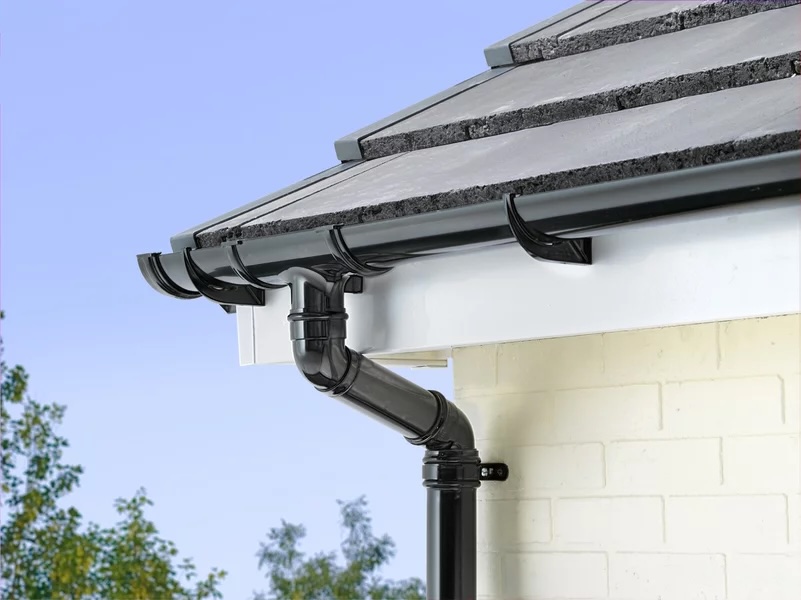
Gutter Guards downspouts, often merely described as downspouts, are vertical pipelines that transport rainwater from the gutters on the roof to the ground or a drainage system. They are important in handling rainwater and preventing it from pooling around the structure of a house, which can lead to expensive damages gradually.
Secret Functions of Gutter Downspouts
The performance of downspouts can be summed up in the following points:
| Function | Description |
|---|---|
| Water Management | Redirects water from the roof to a designated drainage location |
| Structure Protection | Avoids water accumulation around the structure |
| Erosion Control | Decreases soil erosion by directing water flow |
| Form Prevention | Assists prevent mold and mildew growth in basements and crawl areas |
Types of Gutter Downspouts
There are numerous kinds of downspouts, each with distinct attributes fit for different architectural requirements and aesthetic choices. Below are the most common types:
| Type | Description | Suitable Use |
|---|---|---|
| Rectangular Downspout | The most typical shape, typically made from metal or vinyl. | Standard residential homes |
| Round Downspout | Circular pipes that can likewise be metal or plastic. | Modern and minimalist designs |
| Ornamental Downspouts | Often cast in ornamental shapes or designs. | Historic or extremely decorative homes |
| Expandable Downspouts | Adjustable in size, accommodating various water circulation requirements. | Variable rain conditions |
| Splash Blocks | Geared up with a splash block at the bottom to direct water even more away. | Homes with landscaping near the structure |
Installation Requirements
Appropriate installation of downspouts is important for guaranteeing their performance and longevity. Here's a checklist to think about:
- Location: Position downspouts far from walkways and heavily-trafficked areas.
- Height: Ensure they extend a minimum of 6 feet away from the structure.
- Slope: Downspouts must have a slight slope to help with efficient drainage.
- Products: Use resilient products, such as aluminum or galvanized steel, that can withstand local weather.
Installation Process
Although it's recommended to employ a professional, homeowners can attempt a DIY installation with these fundamental actions:
- Measure and Cut: Measure the height from the gutter to the ground and cut the downspout to fit.
- Connect to Gutters: Attach the top of the downspout to the gutter outlet using screws or rivets.
- Protect to Wall: Use brackets to secure the downspout to the outside wall.
- Attach Drainage Pipe (if required): If utilizing a drainage system, link it at the bottom of the downspout.
Maintenance Tips
Routine maintenance of Gutter Downspouts [moeamine.Com] is necessary to prevent obstructions and backups. Here are some maintenance pointers for property owners:
- Regular Cleaning: At least twice a year, check and clear out any debris such as leaves, branches, or dirt.
- Check for Damage: Check for rust, damages, or separation in between joints and repair them quickly.
- Guarantee Proper Drainage: Confirm that water streams freely through the downspouts and is directed away from the foundation.
- Expect Ice Dams: In colder environments, guarantee that snow and Drainage ice do not collect in the downspouts, which can trigger blockages.
- Inspect Splash Blocks: Ensure that splash blocks are effectively positioned to reroute water away from the foundation.
Typical FAQs About Gutter Downspouts
1. How frequently should I clean my gutters and downspouts?
It is suggested to clean your gutters and downspouts a minimum of twice a year-- once in the spring and as soon as in the fall. Nevertheless, if you have numerous trees around your house, more frequent cleaning may be needed.
2. What takes place if downspouts are clogged?
Clogged downspouts can lead to water backing up in the gutters, causing overflow, seamless Gutters which might result in water damage to the home's roof, walls, and foundation. It can also cause mold growth and landscape disintegration.
3. Can downspouts be painted?
Yes, downspouts can be painted. Nevertheless, it is advised to utilize exterior-grade paint that can withstand climate condition.
4. Should I install a drainage system at the bottom of my downspout?
While it is not mandatory, setting up a drainage system can considerably help in transporting the water away from the foundation, avoiding water pooling and potential foundation issues.
5. Exist alternative options to standard downspouts?
Yes, there are alternatives like rain barrels or storage tanks that can gather rainwater from downspouts, which can be recycled for landscaping or watering purposes.
Gutter downspouts are a necessary component of a residential or commercial property's drainage system, providing protection against water damage and maintaining the stability of your home. By comprehending their functions, types, installation, and maintenance, property owners can guarantee that their downspouts contribute efficiently to their home's longevity. Routine examination and maintenance need to not be overlooked, as a properly maintained downspout system provides comfort and protection year-round.