자유게시판
- Home
- 고객센터
- 공지사항
고객센터
You'll Never Guess This Soffit And Fascia Replacement's Tricks
페이지 정보

본문
Soffit and Fascia Replacement: A Comprehensive Guide
Soffit and fascia may not be the very first terms that enter your mind when house owners consider their homes, however they play crucial functions in both aesthetic appeals and performance. In time, these parts of your roofline can become used or harmed due to climate condition, insects, or simple age. This article will explore the significance of soffit and fascia, factors for replacement, the replacement process, and often asked concerns.
Understanding Soffit and Fascia
Before diving into replacement information, it's vital to comprehend what Soffit Board Repair and fascia are.
What is Soffit?
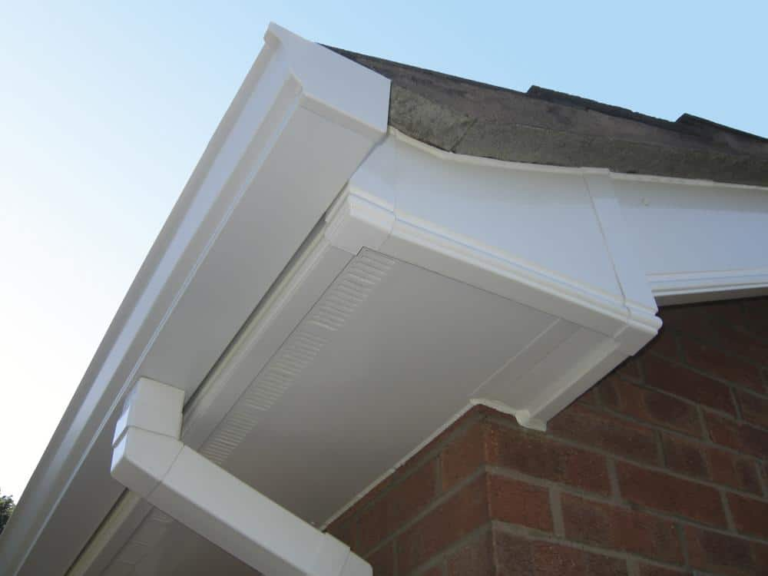
Soffit refers to the underside of the eaves or overhanging sections of your roof. It is typically aerated, permitting air blood circulation into the attic and securing the roof from wetness accumulation, which can lead to mold growth and rot.
What is Fascia?
Fascia is the horizontal board that runs along the edge of the roofing system. It serves as a barrier between the roof and the outdoors aspects, offering assistance for the lower roofline and serving as an installing point for rain gutters.
Table 1: Functions of Soffit and Fascia
| Part | Function |
|---|---|
| Soffit | - Ventilates the attic to prevent wetness buildup - Protects rafters from weather damage - Enhances the visual appeal of the home |
| Fascia | - Supports the edge of the roofing - Serves as a base for rain gutters - Provides aesthetic appeal to the roofline |
Factors for Replacement
There are a number of factors homeowners may require to consider replacing their soffit and fascia:
- Damage from Weather: Storms, hail, and heavy rains can harm soffit and fascia, causing degeneration and jeopardized structural stability.
- Pest Infestation: Rodents, pests, and birds may find their way into damaged soffits, leading to invasions that can damage the home.
- Rot and Decay: Wooden Fascias soffits or fascia are particularly prone to rot when exposed to wetness, resulting in a requirement for replacement.
- Climate Adaptation: Homeowners might select to replace soffit and fascia to much better suit their regional climate, going with products that endure extreme weather conditions.
- Visual Upgrade: Aging or outdated soffit and fascia can detract from a home's curb appeal, prompting property owners to invest in an upgrade.
Table 2: Signs You Need to Replace Soffit and Fascia
| Indication | Description |
|---|---|
| Noticeable Deterioration | Fractures, rot, or falling pieces appear. |
| Insect Activity | Signs of rodents or pests near the roofline. |
| Wetness Problems | Mold or mildew in the attic or near roofing system locations. |
| Poor Air Circulation | Increased energy expenses due to ventilation problems. |
| Staining | Fading colors or discolorations on the soffit/fascia. |
The Replacement Process
Changing soffit and fascia may appear daunting, however with correct planning, it can be a simple job. Below is a detailed guide to the replacement process:
Step 1: Assess the Structure
Before beginning any replacement, it is important to assess the condition of the existing soffit and fascia. Identify the extent of the damage and whether any underlying structural problems need addressing.
Step 2: Choose Replacement Materials
Select products that best match your home's needs and environment. Common soffit and fascia products include:
- Vinyl: Low-maintenance and resistant to wetness and pests.
- Aluminum: Lightweight with exceptional sturdiness and insulation residential or commercial properties.
- Wood: Traditional and visually appealing however needs routine maintenance.
Step 3: Gather Tools and Materials
Ensure you have the following tools and products on hand:
- Ladder
- Safety goggles
- Hammer
- Nail gun
- Energy knife
- Determining tape
- New soffit and fascia materials
- Fasteners
Step 4: Remove Old Material
Carefully eliminate the old soffit and fascia, guaranteeing not to harm surrounding areas. It's vital to wear protective equipment during this process.
Step 5: Install New Soffit and Fascia
Begin by setting up the brand-new fascia board at the roofing's edge, ensuring it's secured with suitable fasteners. Next, install the soffit panels, beginning with one end and working your method to the other, guaranteeing correct spacing for ventilation where required.
Action 6: Cleanup and Final Touches
Once installation is total, tidy up any particles and ensure all tools are put away. It's also a good chance to repaint or finish the soffit and Fascia And Soffit Company to improve their look.
Table 3: Average Costs of Soffit and Fascia Replacement
| Material Type | Rate per square foot | Approximated Total for 1,000 sqft |
|---|---|---|
| Vinyl | ₤ 2 - ₤ 5 | ₤ 2,000 - ₤ 5,000 |
| Aluminum | ₤ 3 - ₤ 6 | ₤ 3,000 - ₤ 6,000 |
| Wood | ₤ 4 - ₤ 8 | ₤ 4,000 - ₤ 8,000 |
Regularly Asked Questions (FAQ)
Q1: How frequently should soffit and fascia be replaced?
A1: It varies depending upon products and climate conditions. Generally, you must check them every 5-10 years for any indications of wear.
Q2: Can I replace soffit and fascia myself?
A2: While it's possible for handy property owners, the installation can be challenging. If you are not comfortable operating at heights or lack experience, hiring a professional is recommended.
Q3: What are the benefits of using vinyl over wood for soffit and fascia?
A3: Vinyl is more resistant to moisture and pests and needs less maintenance compared to wood, which is susceptible to rot and requires routine treatment.
Q4: Will replacing soffit and fascia improve my home's energy effectiveness?
A4: Yes, appropriate ventilation from a new soffit can enhance airflow in the attic, potentially minimizing cooling and heating expenses.
Q5: How can I preserve my new soffit and fascia?
A5: Regularly examine for any damage, clean rain gutters to avoid overflow, and wash vinyl or aluminum surface areas to prevent buildup.
Soffit and fascia replacement is an often-overlooked yet essential aspect of home maintenance. By understanding their significance and acknowledging the signs that show the requirement for replacement, homeowners can maintain both the visual appeals and structural integrity of their homes. Whether dealing with the task themselves or working with specialists, staying informed causes better options and a properly maintained home.