자유게시판
- Home
- 고객센터
- 공지사항
고객센터
See What Treadmill Without Electricity Tricks The Celebs Are Using
페이지 정보

본문
Exploring the Benefits of Treadmills Without Electricity
Recently, the physical fitness landscape has actually progressed dramatically, with innovation playing an essential function in the method we approach our workouts. Nevertheless, amidst this wave of development, a traditional yet reliable alternative has actually gained renewed attention: the treadmill without electricity. These manual treadmills, powered totally by the user's movement, offer a variety of benefits that appeal to physical fitness lovers of all levels. In this blog site post, we will dig into the concept of electric-free treadmills, their benefits, functions to consider, and deal with some common concerns.
Comprehending Non-Electric Treadmills
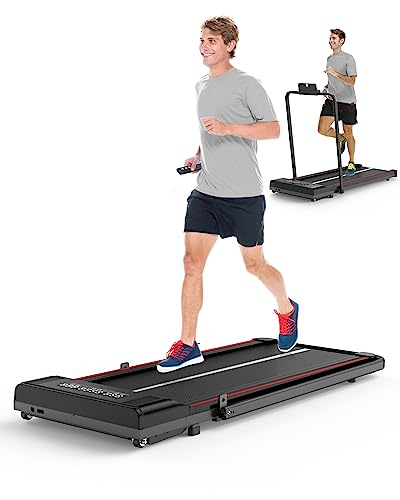
Non-electric treadmills, likewise known as manual treadmills, operate on a straightforward concept: the runner powers the belt using their own effort. As the user strolls or runs, the treadmill moves according to their speed and momentum. This contrasts greatly with standard electric treadmills, which count on a motor to manage the belt's movement.
The Mechanics of Manual Treadmills
| Features | Description |
|---|---|
| Power Source | Human-generated power; no electricity needed |
| Belt Movement | Relocations as the user strolls or runs |
| Incline Options | Often includes adjustable slope settings for added resistance |
| Mobility | Typically lighter and easier to move compared to electric designs |
| Resilience | Fewer electronic parts suggest less danger of breakdown |
Benefits of Using Manual Treadmills
1. Economical
One of the most appealing aspects of non-electric treadmills is their cost. Without any motors or electronic components, manual treadmills are typically more economical than their electric counterparts. This makes them an appealing choice for budget-conscious fitness lovers seeking a dependable exercise tool.
2. Eco-Friendly
In a world significantly concentrated on sustainability, manual treadmills stick out as an eco-friendly fitness alternative. Without the requirement for electricity, these devices lower carbon footprints and promote a greener way of life. Users can work out with very little environmental impact while still attaining their physical fitness goals.
3. Full-Body Workout
Using a manual treadmill needs higher effort from the user, engaging more muscle groups than an electric treadmill. As people manage the speed, they can tailor their workouts to their fitness levels, leading to a more extensive and effective exercise session. This added engagement can lead to better strength and endurance in time.
4. Much Better Balance and Coordination
Running or walking on a non-electric treadmill needs a higher level of balance and coordination. Users need to actively maintain their footing and manage their speed, which can help boost total stability. This characteristic is especially advantageous for older grownups or individuals recovering from injuries.
5. Low Maintenance
Manual treadmills are less likely to experience mechanical problems due to their simple building and construction. With fewer moving parts, users can delight in a nearly maintenance-free experience. This indicates more time for workouts and less time stressing over repairs.
Key Features to Consider
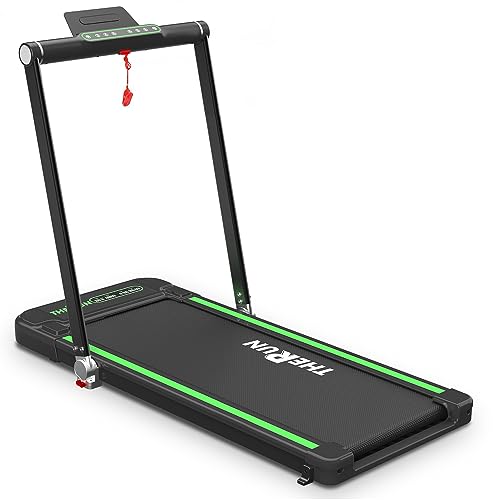
When choosing a manual treadmill, several features should be evaluated to guarantee it fulfills individual fitness requirements. Here are some essential functions to consider:
| Feature | Description |
|---|---|
| Belt Size | Guarantee adequate area (a minimum of 16 inches wide) for comfortable usage |
| Slope Settings | Try to find adjustable slope options for different workouts |
| Weight Capacity | Inspect the optimum weight limit for safety |
| Mobility | Think about foldability and wheels for easier storage |
| Console Display | Some models include fundamental metrics (time, distance, calories burned) |
Tips for Getting Started with a Manual Treadmill
Starting with a manual treadmill can be uncomplicated, but following some tips can boost the experience:
Start Slow: If you are brand-new to manual treadmills, begin at a comfortable rate. Gradually increase strength as you end up being more accustomed to the effort required.
Use Proper Form: Maintain great posture by standing tall, keeping your direct, and your shoulders back. This will help avoid injuries and promote effectiveness.
Include Intervals: Consider including high-intensity periods into your workout. Alternate in between fast-paced walking/running and slower recovery periods for optimal results.
Stay Hydrated: Ensure to drink water before, throughout, and after your exercise. Staying hydrated is crucial for efficiency and recovery.
Set Goals: Establish clear fitness goals to remain motivated. Whether it's range, time, or calories burned, having targets can improve accountability.
FAQs about Manual Treadmills
Q1: Are manual treadmills ideal for beginners?
A1: Yes, manual treadmills are appropriate for novices. Users can begin at their own pace, slowly building strength and stamina over time.
Q2: How do I preserve a manual treadmill?
A2: Maintenance is minimal. Routinely look for any debris on the belt and ensure it remains clean. A light lubricant might be necessary occasionally.
Q3: Can you utilize a manual treadmill for sprinting?
A3: Absolutely! Manual treadmills can be an excellent alternative for sprinting and high-intensity workouts given that users control the rate.
Q4: How do manual treadmills compare to electric variations in terms of calorie burn?
A4: Studies recommend that calorie burn can be higher on manual treadmills due to the increased effort needed to power the belt. Users are typically challenged more vigorously.
Q5: What is the average cost of a manual treadmill?
A5: The expense differs based upon brand name and functions, however prices normally range from ₤ 150 to ₤ 600, making them an economical option for many.
In summary, treadmills without electricity provide a variety of benefits, making them an outstanding choice for those looking for a cost-efficient, environment-friendly, and appealing exercise experience. As physical fitness lovers continue to seek options in the ever-evolving landscape of workout devices, non-electric treadmills stand apart for their simpleness and effectiveness. Whether you are a newbie or a skilled professional athlete, welcoming the difficulty of a manual treadmill can result in substantial improvements in fitness while offering a special exercise experience.