자유게시판
- Home
- 고객센터
- 공지사항
고객센터
9 Lessons Your Parents Taught You About Casement Window Repair
페이지 정보

본문
Casement Window Repair: A Comprehensive Guide
Casement windows, known for their functional charm and energy efficiency, are a popular option amongst property owners. These windows, which open external on hinges like a door, can substantially boost a home's aesthetic appeal and ventilation. However, like any other home part, casement windows can experience wear and tear in time, demanding repairs. This detailed guide intends to provide readers with the needed details to identify typical problems, carry out basic repairs, and understand when professional support is needed.
Understanding Casement Windows
Before delving into the repair procedure, it's vital to comprehend the structure and mechanisms of casement windows. These windows consist of a frame, a sash (the portable part), hinges, and a crank or deal with system. They are generally made of materials such as wood, vinyl, or aluminum, each with its own set of maintenance requirements.
Typical Casement Window Issues
Dripping or Drafty Windows
- Signs: Water leakage, drafts, and cold spots near the emergency window repair.
- Causes: Loose seals, harmed weatherstripping, and misaligned sashes.
Sticking or Hard-to-Open Windows
- Signs: Difficulty in opening or closing the window.
- Causes: Warped frames, collected dirt, or malfunctioning hinges.
Broken Crank or Handle
- Symptoms: The crank or manage does not turn efficiently or is broken.
- Causes: Wear and tear, overuse, or unexpected damage.
Decayed or Damaged Wood
- Symptoms: Cracking, swelling, or decomposing of wood elements.
- Causes: Exposure to moisture, lack of appropriate sealing, and age.
Split or Broken Glass
- Signs: Visible cracks or breaks in the glass.
- Causes: Impact from external items, thermal tension, or age.
Do It Yourself Repair Tips
1. Changing Weatherstripping
Weatherstripping assists seal the window, avoiding leaks and drafts. Here's how to replace it:
- Step 1: Remove the old weatherstripping using an energy knife.
- Action 2: Clean the window frame and sash to guarantee an appropriate fit.
- Step 3: Measure the length of the weatherstripping needed.
- Step 4: Cut the new weatherstripping to size and install it, guaranteeing it is tight and protected.
2. Lubing the Crank Mechanism
A well-lubricated crank system can fix many opening and closing issues:
- Step 1: Open the window fully and get rid of the crank deal with.
- Step 2: Clean the system with a dry cloth to get rid of dirt and particles.
- Step 3: Apply a silicone-based lube to the gears and pivot points.
- Step 4: Reattach the crank handle and evaluate the window rot repair's operation.
3. Tightening Up or Adjusting Hinges
Loose or misaligned hinges can trigger the window to stick or not close correctly:
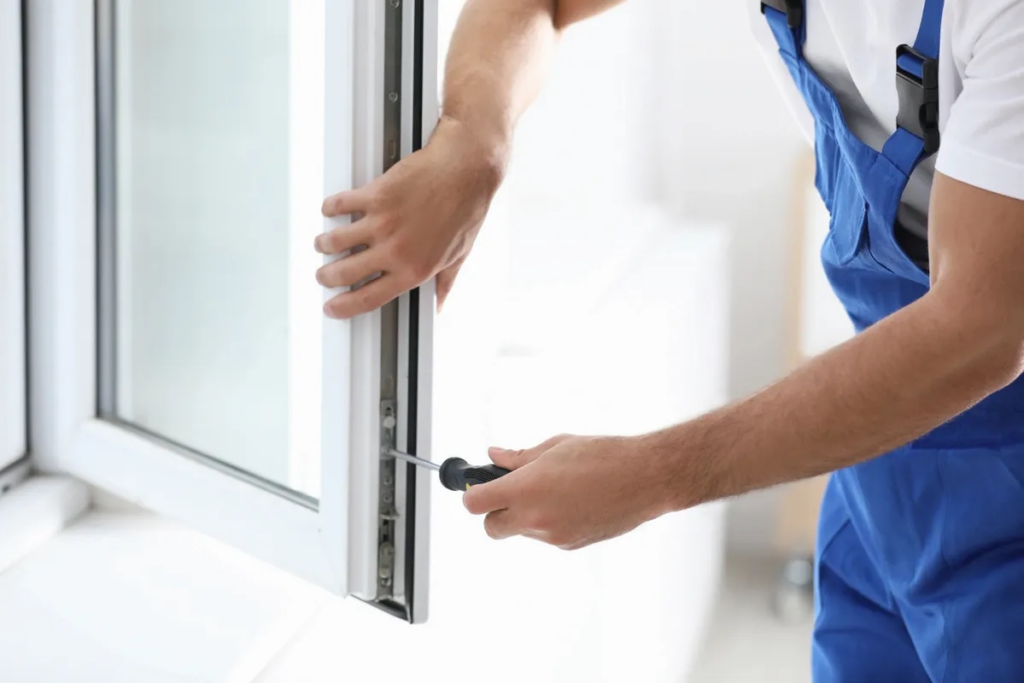
- Step 1: Identify the loose hinge and utilize a screwdriver to tighten the screws.
- Step 2: If the screws are stripped, utilize longer screws or fill the holes with wood filler and re-drill.
- Action 3: Adjust the hinge positions if required to make sure the energy-efficient window repair closes correctly.
4. Treating Rotted Wood
For wood casement windows, treating decayed wood is important to maintain structural integrity:
- Step 1: Scrape away the decayed wood utilizing a sculpt or scraper.
- Action 2: Apply a wood hardener to the affected locations.
- Step 3: Fill the spaces with wood filler and permit it to dry.
- Step 4: Sand the filled areas smooth and paint or stain to match the existing window.
5. Changing Broken Glass
If the glass is broken or broken, it needs to be replaced to guarantee security and effectiveness:
- Step 1: Remove the broken glass thoroughly to avoid injury.
- Step 2: Measure the measurements of the glass panel.
- Step 3: Purchase a replacement glass pane from a hardware shop.
- Step 4: Install the brand-new glass using glazing substance and secure it with glazing points.
When to Call a Professional
While numerous concerns can be resolved with DIY repairs, some circumstances need professional intervention:
- Complex Hinge Issues: If the hinges are significantly damaged or the window is not aligning effectively, a professional can offer a more precise and lasting service.
- Rot Extensive Damage: If the rot has spread out substantially, a professional might need to replace parts of the window frame.
- Serious Crank Mechanism Failure: If the crank is beyond repair or the system needs to be replaced, an expert can ensure it is done correctly.
Frequently asked questions
Q: How frequently should I inspect and preserve my casement window repair windows?A: It is advised to inspect and maintain casement windows at least as soon as a year. This includes inspecting seals, cleaning the windows, and oiling the crank system.
Q: What kind of lubricant should I use for the crank mechanism?A: A silicone-based lubricant is ideal as it is water-resistant and supplies smooth operation without bring in dirt.
Q: Can I paint over the weatherstripping?A: No, painting over weatherstripping can minimize its effectiveness. Instead, eliminate the old weatherstripping, replace it, and after that paint the surrounding locations.
Q: What should I do if the window is still breezy after changing the weatherstripping?A: If the window remains breezy, look for gaps in the frame or sash. You may need to use caulk or replace the window if the frame is damaged.
Q: Is it safe to replace the glass myself?A: Replacing glass can be safe if done thoroughly, but it is a task that needs accuracy. Constantly use protective gloves and goggles, and think about expert aid if you are not sure.
Casement windows are an important asset to any home, providing both visual and functional advantages. Regular upkeep and timely repairs can extend their life expectancy and ensure they continue to operate effectively. By comprehending typical concerns and following the DIY repair suggestions outlined, house owners can tackle small issues themselves. However, for more complex issues, it is advisable to look for expert help to prevent further damage and make sure the security and integrity of the local window repair.
Extra Resources
- Regional Hardware Stores: For weatherstripping, lubes, and replacement parts.
- Professional Window Repair Services: For intricate concerns that need know-how.
- Home Improvement Websites: For step-by-step guides and repairing ideas.
By taking a proactive approach to sash window repair, homeowners can enjoy the benefits of these windows for many years to come.
